01
INTRO
Smiling is CharitY. Every Smile you see is a gift given.
02
influence
A single Smile can influence:
trust

03
health benefits
Your Smile, your health
For years, psychologists argued about how much a smile does, beyond what it expresses. The debate wasn’t whether smiles matter. It was whether facial movement can shiftemotion in measurable ways. Modern research suggests the relationship is circular: your face sends signals to your brain, your brain adjusts the body and the feedback quietly shapeswhat in youfeel in real time.
04
smile science
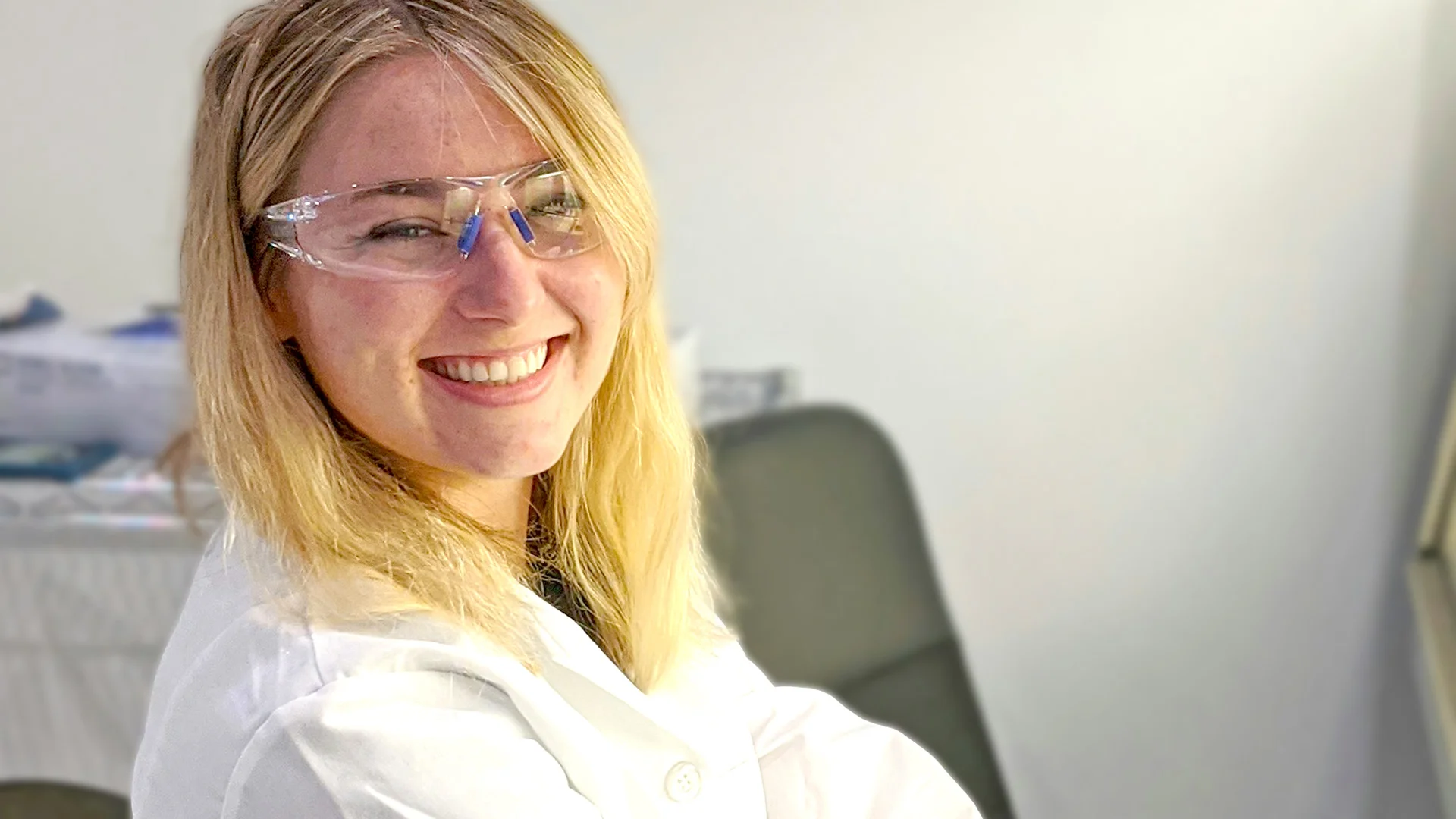
A smile is not just an expression. It’s a signal your body responds to. When facial muscles activate, your nervous system adjusts. Stress can soften. Reward circuits flicker on. Smiling is a small physical act with physiological consequences, subtly shaping how your body handles stress and emotion.
Smiling Affects Your Health

Smiling during difficult tasks has been shown to lower heart rate during recovery! It doesn’t remove pressure, but it can help your nervous system settle more quickly afterwards. Even small improvements in recovery speed can matter when repeated across everyday stress moments.
Recover From Stress Faster
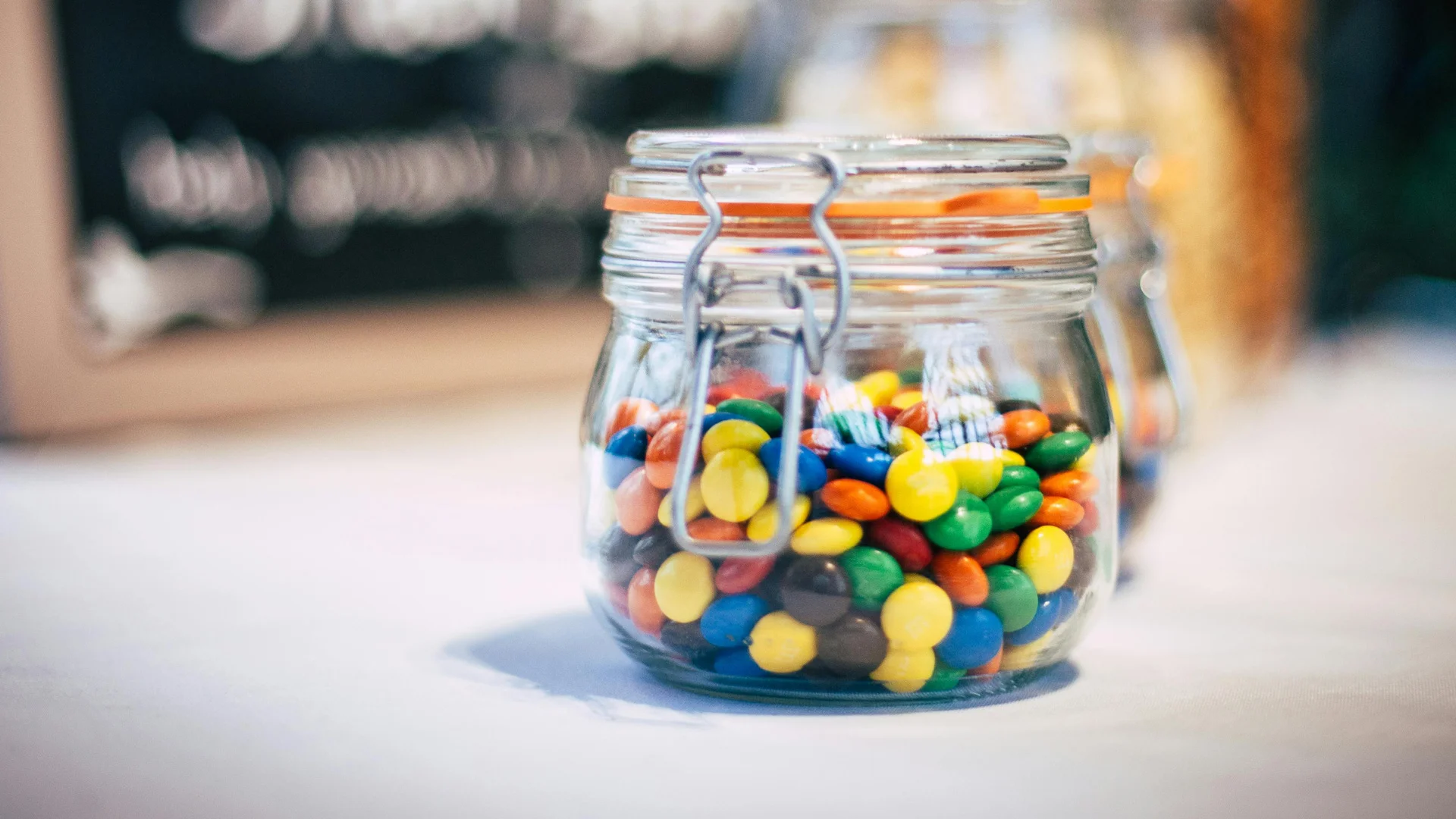
When you smile, parts of your brain linked to reward and motivation become more active! This includes dopamine-related pathways associated with positive reinforcement. The effect isn’t dramatic but it’s measurable! Small activations, repeated over time, can gently support a more positive emotional baseline.
Light Up Your Reward System
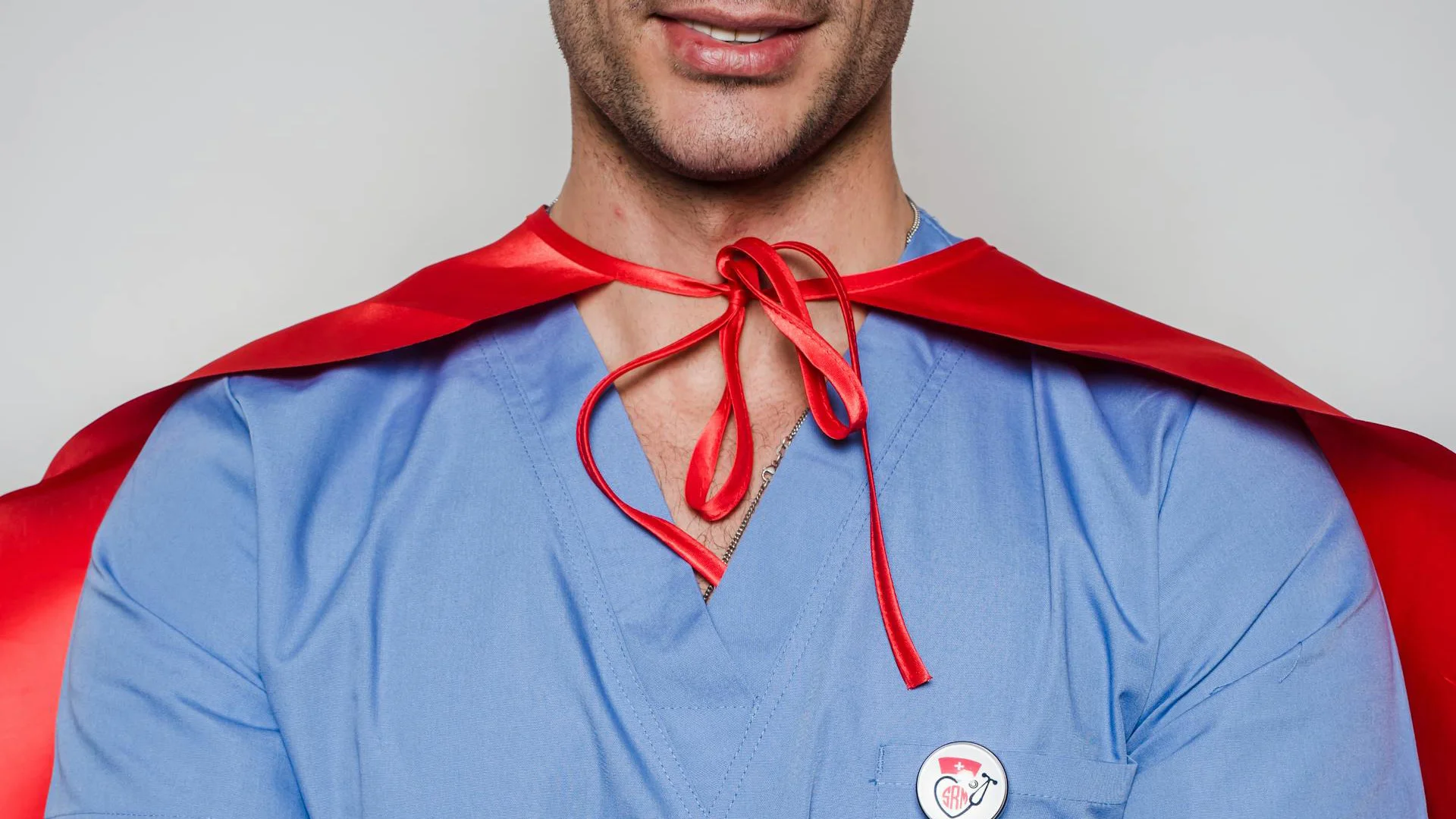
Long-term stress can weaken immune function. Positive emotional regulation - including behaviours that reduce stress reactivity - is associated with healthier immune markers in some studies. Smiling isn’t a cure, but it can be part of the broader regulation system.
Support Immune Resilience

Brain studies show that positive facial expressions are associated with lower activation in certain negative emotional circuits. Smiling doesn’t override sadness or fear - but it can gently rebalance the system, slightly shifting the emotional weight.
Nudge Your Emotional Balance

Research into Botox found that reducing the ability to frown was associated with reduced depressive symptoms in some patients. The theory: facial feedback influences emotional experience. When negative expressions are reduced, emotional intensity may soften.
Even Limiting Frowning Helps
05
Society
Smiles Shape Society
You walk into a room. Before you speak, your face has already said something. A smile can lower defences, invite openness, soften judgement. It can change how someone feels in your presence. A small act with social weight. And every time you choose it, you shift the atmosphere around you.
Smiles are contagious! Your brain mirrors expressions automatically
Contagious
Smilers are perceived as more competent, warm and trustworthy
Mirror Response
A smile can improve another person’s emotional state
Stress Reduction
A smile communicates safety, openness and approachability
Botox Evidence
06
loop
the inaam circle
Inaam is an Arabic word. It means grace. A blessing. A favour freely given.
Smiling is charity
Not metaphorically. A smileshifts our body. It shifts another person. It shapes how interactions unfold.
You smile. They smile
The atmosphere changes. And that atmosphere carries forward into homes, workplaces, communities.
One expression becomes momentum
Inaam exists to make that loop intentional. To remind you that your face is not passive. It is active. And everysmile is an act of giving.

08
follow us
Our socials

FAQ
Lorem ipsum dolor sit amet, consectetur adipiscing elit, sed do eiusmod tempor incididunt ut labore et dolore magna aliqua. Ut enim ad minim veniam, quis nostrud exercitation ullamco laboris nisi ut aliquip ex ea commodo consequat. Duis aute irure dolor in reprehenderit in voluptate velit esse cillum dolore eu fugiat nulla pariatur.